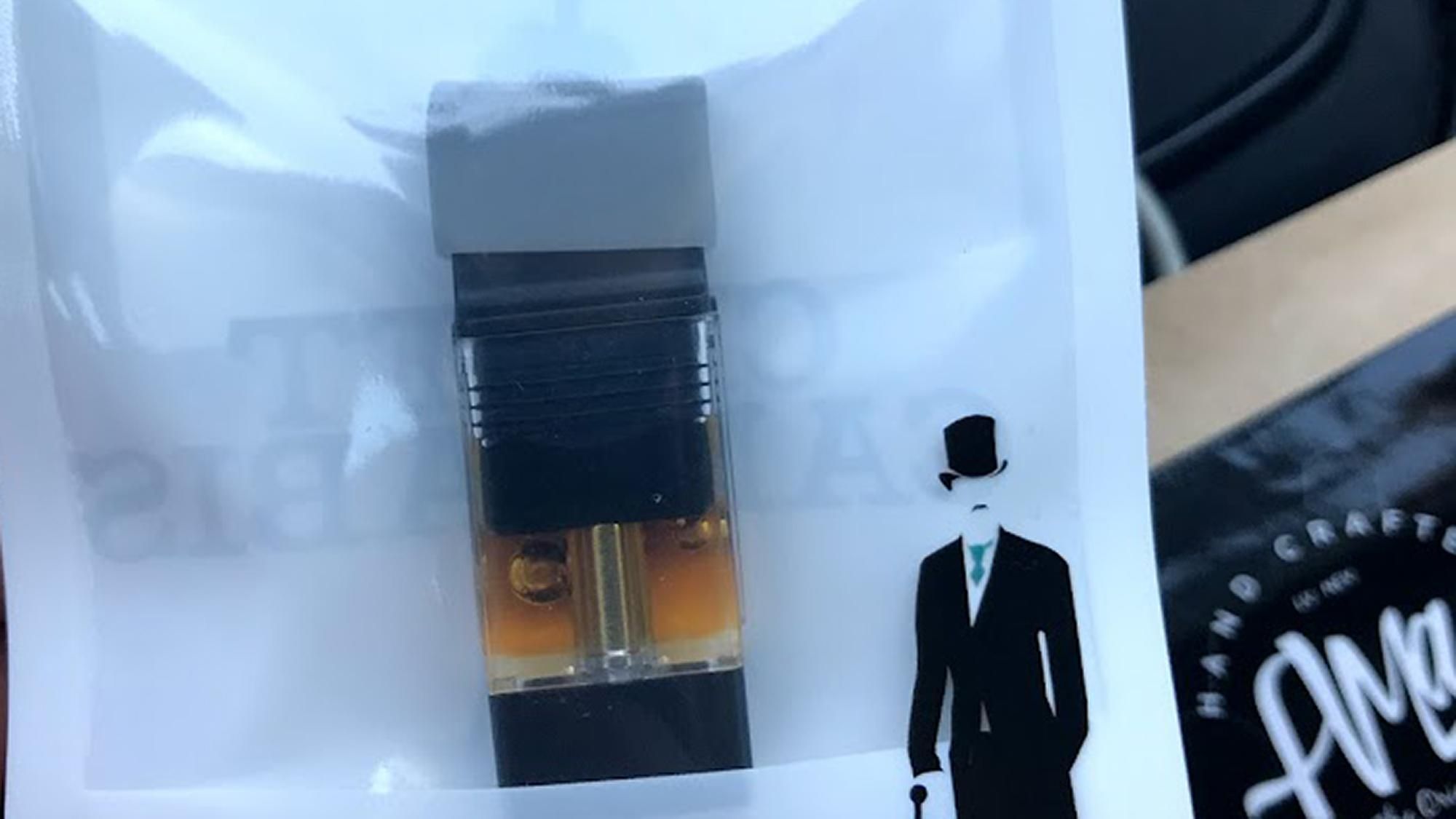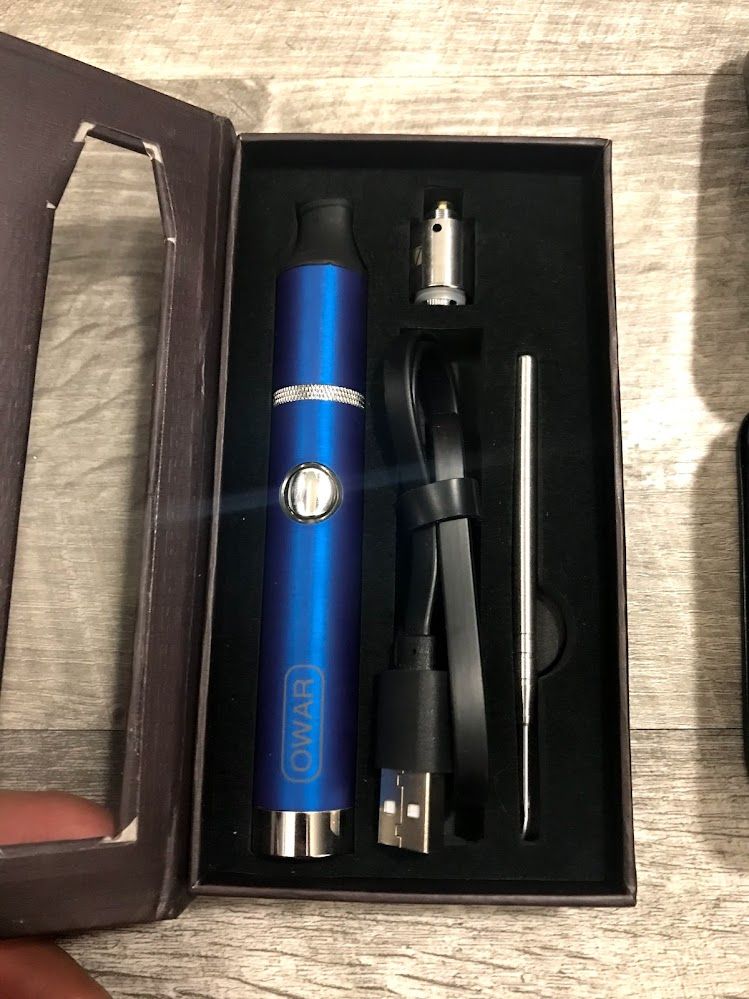
In today’s cannabis marketplace, vape oils are one of the fastest-growing product categories. Consumers are faced with two main choices: name-brand products backed by national marketing campaigns, and white label vape oils crafted by manufacturers and rebranded by dispensaries or independent labels. Both options have carved out loyal followings, but they cater to different priorities in cost, trust, and overall experience.
Price and Accessibility
White label vape oils are widely known for offering a more budget-friendly alternative to big brands. Because these products are produced in bulk by manufacturers and then rebranded, retailers can cut costs on packaging, advertising, and distribution. This makes them especially attractive for consumers looking to stretch their dollars without sacrificing potency. By contrast, name brands tend to carry higher price tags, in part to cover extensive marketing, celebrity endorsements, or premium packaging.
Quality and Consistency
A key concern for shoppers is whether white label vape oils can match the quality of established names. Advances in cannabis extraction and lab testing have narrowed the gap significantly. Many white label producers now use the same cutting-edge techniques as brand leaders, offering distillate, live resin, and even solventless options. However, consistency can vary depending on the manufacturer. A trusted dispensary offering its own white label line may provide excellent quality control, while less reputable outlets risk uneven experiences. Well-known brands, on the other hand, have reputations to uphold and typically standardize processes across markets to ensure reliability.
Consumer Trust and Recognition
Brand loyalty remains a powerful driver in cannabis shopping behavior. Consumers often gravitate toward recognizable logos and names they’ve seen on social media, at events, or in publications. That familiarity signals trust, even when the actual oil quality may not differ drastically from a white label competitor. White label products rely more heavily on the reputation of the dispensary or shop itself. When a dispensary has cultivated trust locally, its private-label vapes can rival or even surpass sales of bigger brands, especially among repeat customers.
Innovation and Market Trends
Name brands often set the pace for innovation, introducing new strains, flavor profiles, or hardware technology. They have resources to experiment with new cannabinoids, terpene blends, and devices that catch consumer attention. White label brands, in turn, are quick to follow trends that prove popular. Their advantage lies in flexibility—being able to pivot rapidly to meet local preferences without the slower corporate rollout cycles.
Which Do Consumers Prefer?
Ultimately, preference depends on consumer priorities. Value-driven shoppers and loyal dispensary customers often choose white label vape oils, confident they’re getting solid quality at lower cost. Those who want the assurance of national testing standards, flashy branding, or the newest innovations often opt for name brands. In many cases, consumers switch between the two, purchasing white label options for everyday use and splurging on premium labels for special occasions.
As cannabis retail evolves, both models will continue to thrive side by side. For consumers, the rise of white label vape oils means more choice, better pricing, and a growing reminder that quality cannabis isn’t always tied to the most recognizable name.