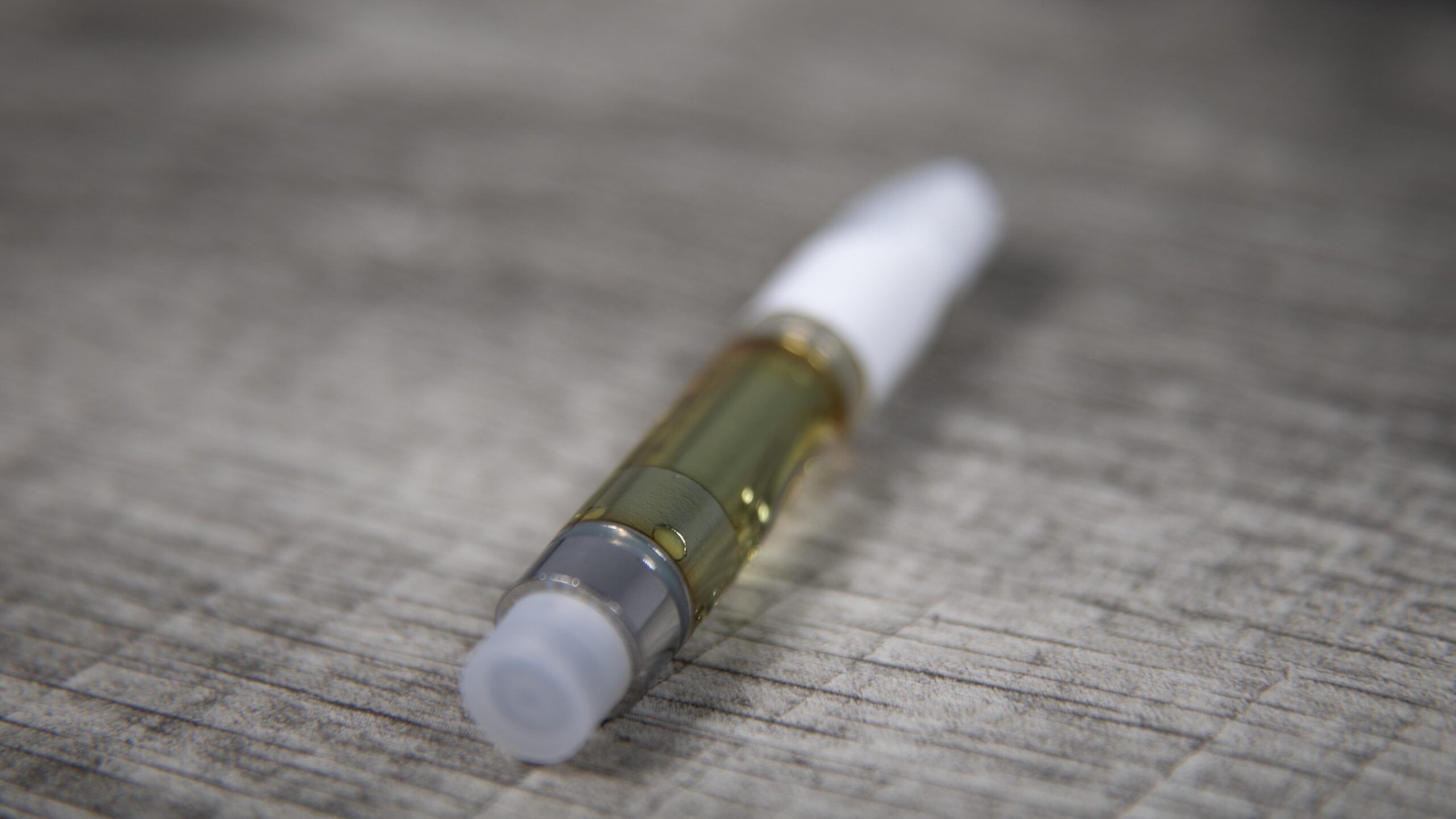
For many cannabis consumers, vape oils are a convenient and discreet way to enjoy cannabinoids. White label vape oils—products manufactured by one company but sold under another’s branding—have become increasingly popular. While they offer affordability and wide availability, some consumers wonder whether these products carry health risks compared to established name brands.
Understanding White Label Vape Oils
White label products are not inherently unsafe. In fact, many are produced in the same facilities and under similar standards as premium brands. According to the Cannabis Industry Journal, reputable manufacturers must comply with state regulations that require laboratory testing for potency and contaminants such as pesticides, heavy metals, and residual solvents. When produced by licensed and compliant companies, white label oils can be just as safe as branded products.
Potential Risks to Watch For
The real concern arises when consumers buy products from unlicensed or unregulated sources. The U.S. Centers for Disease Control and Prevention (CDC) has linked unsafe vape products to EVALI (E-cigarette or Vaping Associated Lung Injury), a condition tied in many cases to vitamin E acetate found in illicit-market cartridges. While state-legal dispensaries prohibit such additives, off-market products sometimes slip through. This highlights the importance of buying only from licensed dispensaries that follow strict safety protocols.
Another potential issue involves labeling. White label products occasionally provide less transparency about sourcing, strain type, or extraction methods. A 2022 report from Headset, a cannabis data firm, noted that some consumers distrust white label oils because of vague packaging. Without clear information, it can be harder to know what’s inside the cartridge.
Testing and Regulation Matters
Each state regulates cannabis differently, and this extends to vape oil standards. For example, California requires comprehensive testing for residual solvents, heavy metals, and mycotoxins, while Nevada sets strict limits on pesticide levels. Consumers who stick to products tested in regulated markets significantly reduce health risks. Trusted labs certify results, ensuring oils meet legal safety thresholds.
How Consumers Can Stay Safe
For anyone considering white label vape oils, the safest approach is to check for lab test results, often listed as “Certificates of Analysis” (COAs). These should confirm that the oil is free from harmful contaminants and verify cannabinoid potency. Packaging should also include batch numbers and expiration dates. If these details are missing, it may be best to choose another product.
The Bottom Line
White label vape oils are not inherently riskier than branded alternatives, provided they come from licensed and compliant manufacturers. The real dangers lie in untested, illicit-market products that bypass safety regulations. For consumers, the key takeaway is simple: always buy from trusted dispensaries and look for clear, verified testing information. Doing so helps ensure a safe, consistent, and enjoyable experience.