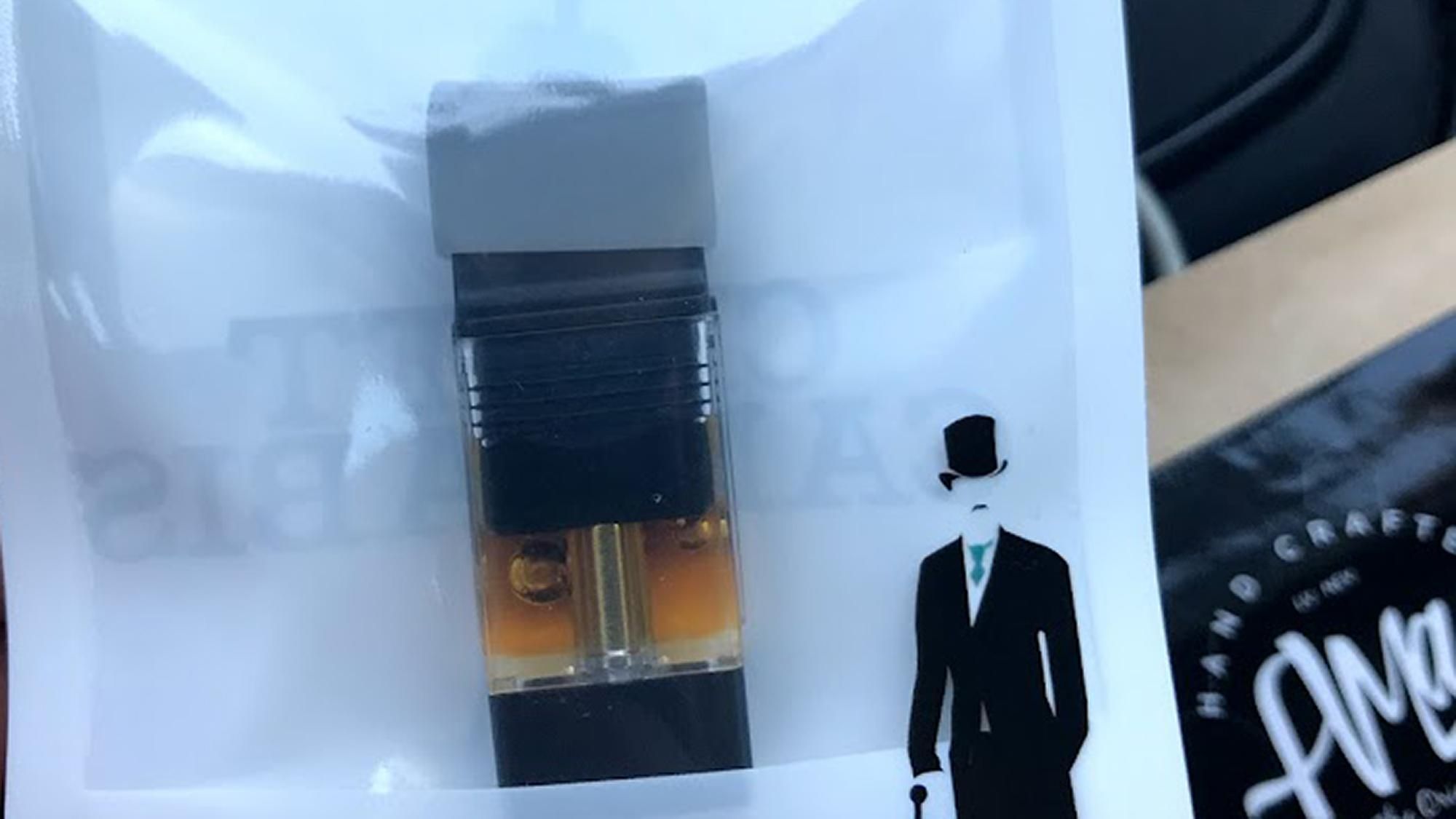
The cannabis vape market is packed with options—from flashy name brands with celebrity endorsements to clean, minimalist white label products found at local dispensaries. But here’s the question that’s got many shoppers curious: can consumers actually tell the difference between a white label vape oil product and a big-name brand?
For longtime cannabis vape users, the answer isn’t always so simple. While packaging, marketing, and brand reputation often sway perceptions, what really matters to consumers is taste, potency, and reliability. And that’s where the lines between white label and name brand blur.
Flavor and Potency Perception
Ask most vape enthusiasts, and they’ll tell you the first things they notice are flavor and effects. If a white label cartridge is filled with quality oil—whether it’s a distillate, live resin, or solventless extract—many consumers won’t be able to distinguish it from a name brand equivalent. The terpenes, cannabinoid content, and smoothness of the vapor are what shape the experience, not necessarily the logo on the box.
That said, bigger brands often have more resources for advanced extraction methods, consistent terpene blends, and proprietary flavor profiles. This consistency can make their products more recognizable over time. A consumer who regularly buys a brand known for fruity blends or dessert-inspired flavors might spot the difference if a white label oil doesn’t quite match up.
The Role of Packaging and Branding
One of the biggest giveaways is packaging. Name brands invest heavily in eye-catching designs, tamper-proof seals, and slick marketing campaigns. Consumers often equate the look of a product with its quality, even before taking a puff. White label vape oils, on the other hand, may come in more generic packaging unless the dispensary or retailer has put effort into customization.
But here’s the twist: some retailers are upping their game, creating boutique white label packaging that rivals top brands. In these cases, the visual difference is minimal, and consumers may have no clue they’re purchasing a white label product.
Consumer Trust and Price Point
Trust also plays a major role. A familiar name brand can provide peace of mind that the product has passed stringent lab tests and adheres to strict standards. White label products, however, depend on the dispensary’s reputation. If shoppers trust the store, they’re more likely to trust its in-house brand, even if they can’t tell a difference in taste or potency.
Price is another clue. White label vape oils often come at a lower cost, which can be a giveaway for seasoned consumers who notice the value compared to premium brands. Yet, for budget-conscious shoppers, this makes them more appealing.
So, Can Consumers Really Tell?
In the end, most consumers can’t tell the difference if the white label product is made with high-quality oil and paired with good hardware. What they do notice are branding cues, price, and packaging. For everyday users, the real test comes down to whether the vape delivers consistent flavor, potency, and satisfaction.
For those who care more about the experience than the label, white label vape oils can be just as enjoyable—sometimes even more so, given the value.